Update – sarkodie

A lot of bullies target the vulnerable ( weak, poor, no home, no family, etc ) … And that’s the story of Africa. Till we fix our home “Together” No black man is safe in the world … We lost our pride.
source facebook
Update – sarkodie
A lot of bullies target the vulnerable ( weak, poor, no home, no family, etc ) … And that’s the story of Africa. Till we fix our home “Together” No black man is safe in the world … We lost our pride.
source facebook
Update – Anime
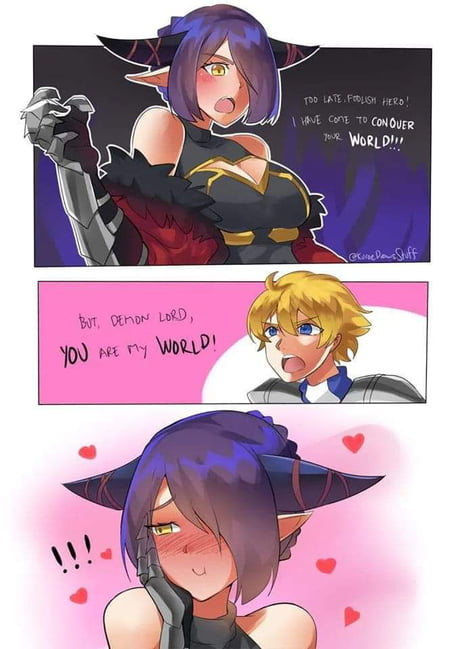
source 9gag
Update – People
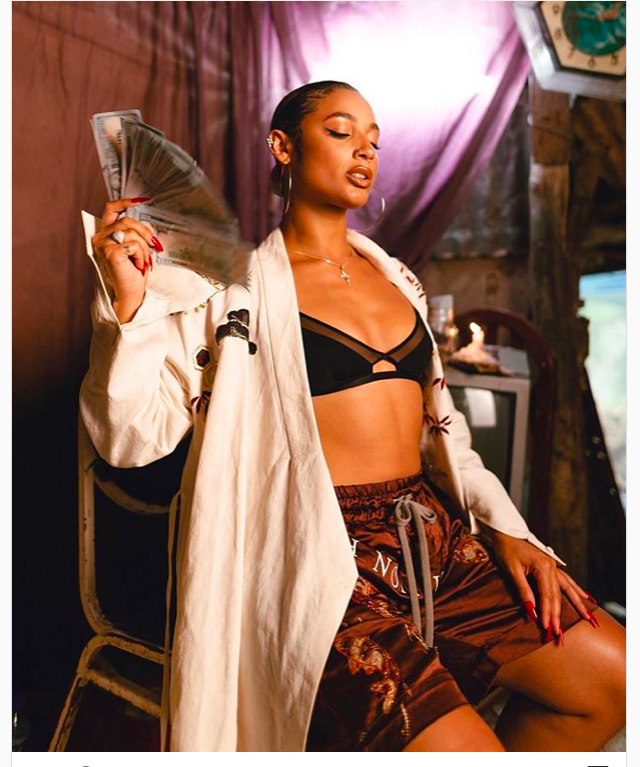
source instagram
Update – People

source instagram
Update – Celebrity

source 9gag
Update – People

source facebook
Update – Sneakers

Kanye West’s adidas YEEZY Foam Runner was first teased in September 2019, before A$AP Ferg unveiled a new all-red colorway in March. Now, in an I-D interview with Pharrell Williams, Kanye has confirmed that the Foam Runner will be released in June.
Speaking to Pharrell, ’Ye said: “[We’re] sitting here in Wyoming figuring out how to do manufacturing during COVID. The Foam Runners we’re coming out with in June are our first American manufactured items and we gotta figure out how to do localised manufacturing.”
When the adidas YEEZY Foam Runner was initially teased, it was dragged on Twitter for looking like something Crocs would make, though there were several users who were intrigued by the rubber slipper.
Most of Kanye’s sneaker designs go through the same life cycle of ridicule upon unveiling, before hype begins to build and, ultimately, those that miss out on release day are left feeling salty. If Kanye’s June release date remains accurate in spite of Covid-19, we’ll soon find out if the adidas YEEZY Foam Runner release will go down the same way.
source highsnobiety
Update – Watch
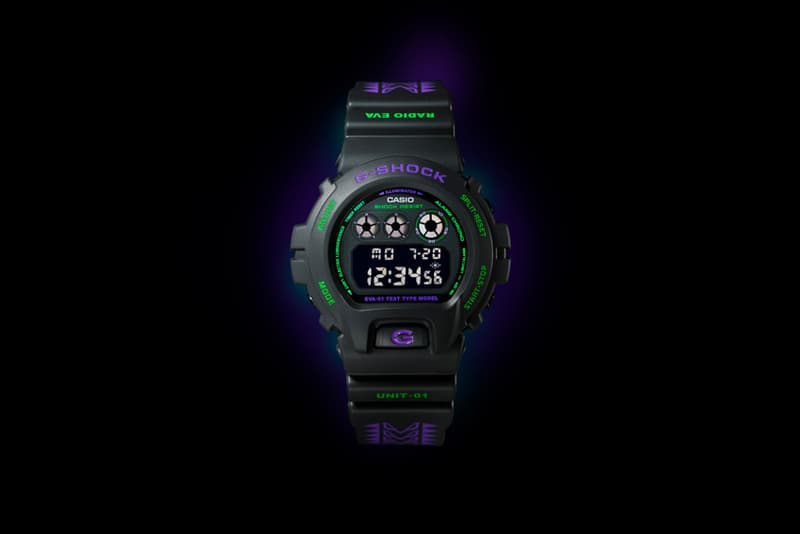
After gracing the Evangelion x Nestlé Nescafé Gold Blend Barista, Eva Unit-01 now serves as the inspiration for the Evangelion x Casio G-SHOCK DW-6900.
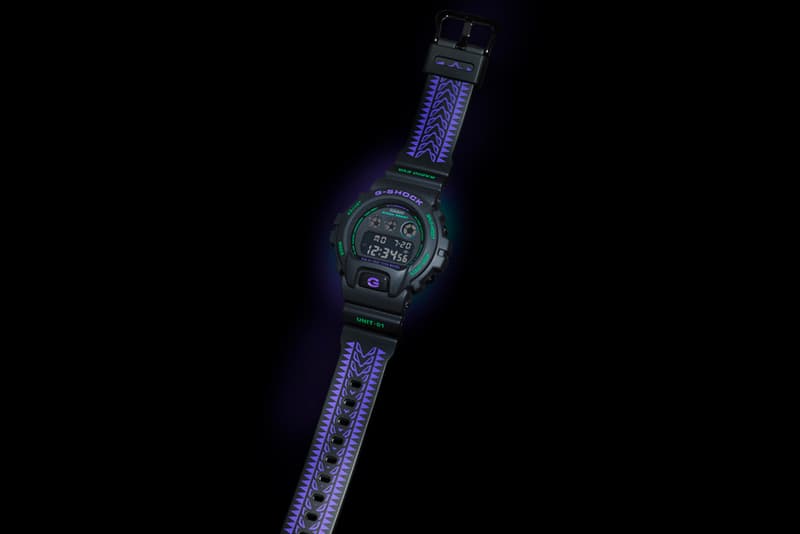
Part of the ongoing RADIO EVA line, the collaboration is based on the 25th anniversary of the DW-6900 model. The black base is marked with a purple spine design on the strap accompanied by “RADIO EVA” in neon green. The color scheme decoration continues on the dial, underscored by “EVA-01 TEST TYPE MODEL” tying the watch to Shinji Ikari’s iconic mech. Rounding up the design of the watch is an intricate engraving on the rear and a special black edition box.
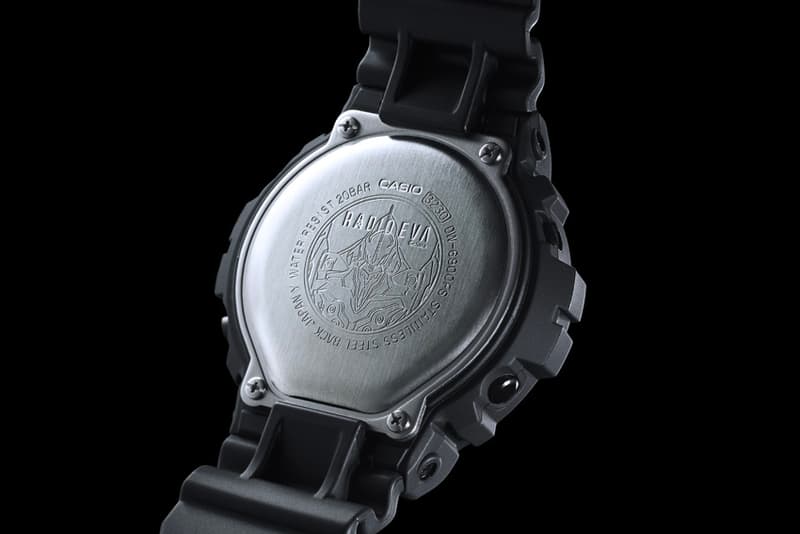
Priced at 22,000 JPY (approximately $205 USD), the Evangelion x Casio G-SHOCK DW-6900 is set to be available in August, but head over to EVANGELION STORE to learn more about the release.
In case you missed it, you can now buy a 1:1 scale Psyduck plush.
source hyperbeast
Update – Game
source 9gag
